Binance has long been a dominant force in the cryptocurrency ecosystem, and its official non-custodial wallet, known as Binance Web3 Wallet (often abbreviated as BCW or Binance Chain Wallet), has garnered significant attention. When users ask "is the Binance BCW wallet good," the answer depends on their specific needs: it excels for DeFi integration but may not suit hardcore security maximalists.
What is Binance BCW Wallet?
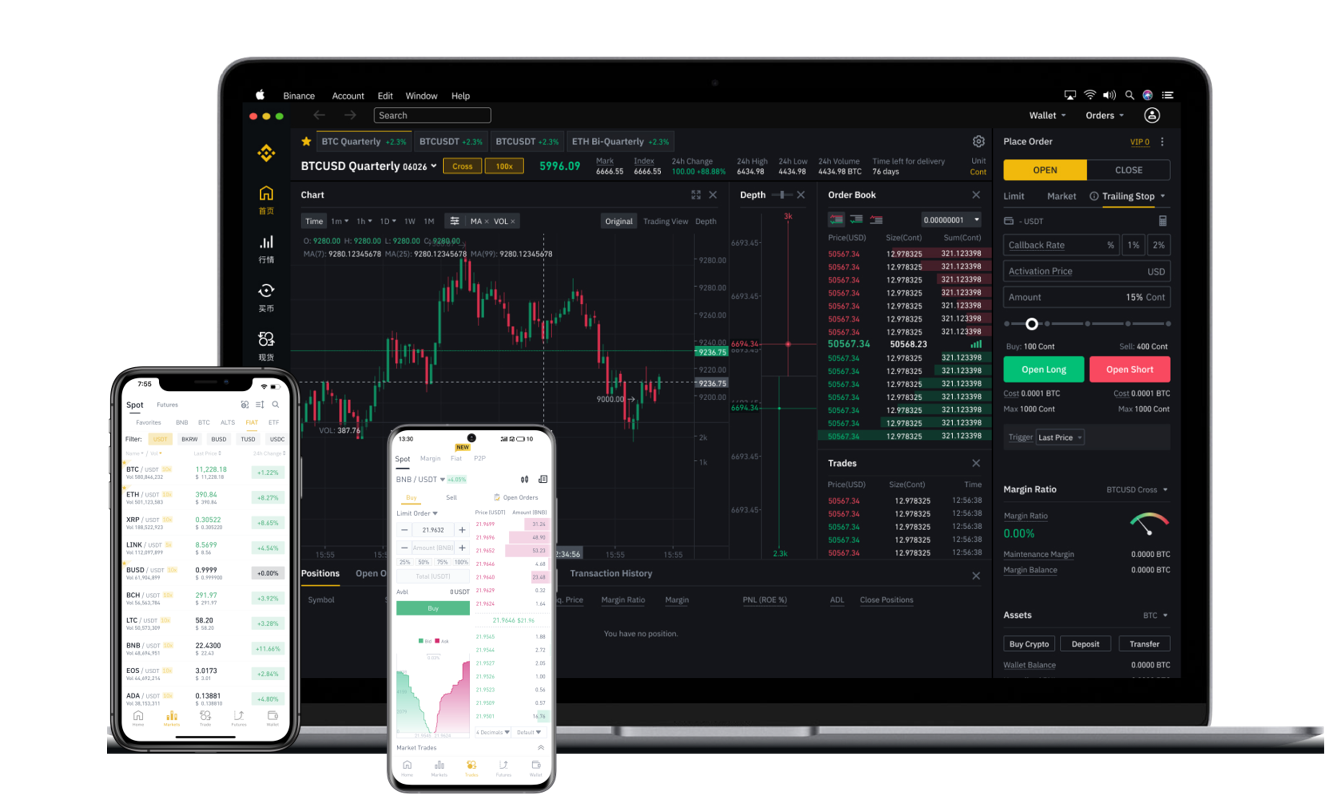
Binance BCW (Binance Chain Wallet) is a browser extension and mobile-based wallet that supports BNB Chain, Ethereum, and other EVM-compatible networks. Unlike the centralized Binance exchange wallet, BCW is non-custodial, meaning users hold their own private keys. It is designed to facilitate seamless interaction with decentralized applications (dApps), particularly those within the BNB Chain ecosystem.
Key Features of Binance BCW
1. Multi-Chain Support: BCW supports BNB Smart Chain (BSC), BNB Beacon Chain, Ethereum, and Polygon. This allows users to manage assets across different blockchains without leaving the wallet interface.
2. Direct Binance Exchange Integration: One standout feature is the ability to transfer funds between your Binance exchange account and the BCW wallet with one click. This drastically reduces transaction friction for active traders.
3. Built-in dApp Browser: The wallet includes a browser that connects directly to Web3 applications, including decentralized exchanges (DEXs) like PancakeSwap, lending protocols, and NFT marketplaces.
4. Seedless Recovery via MPC Technology: In its mobile version, Binance offers a "seedless" option using Multi-Party Computation (MPC). Instead of managing a 12-word seed phrase, users secure their wallet through biometrics and cloud backup fragments. This is highly convenient but introduces a different trust model.
Security Analysis: Is BCW Safe?
Security is the primary concern for any wallet. Binance BCW uses industry-standard encryption and allows users to set spending limits and whitelist dApps. However, because it is a hot wallet (always connected to the internet), it is inherently more vulnerable to phishing attacks and malware compared to hardware wallets like Ledger or Trezor.
The MPC feature reduces the risk of seed phrase theft but requires users to trust Binance's cloud storage infrastructure to some degree. For large holdings or long-term storage, Binance recommends using a hardware wallet (which BCW supports by pairing). For daily DeFi interactions, BCW is considered reasonably secure.
User Experience and Performance
The wallet interface is intuitive, particularly for users already familiar with MetaMask. Setup takes less than two minutes. Speed is excellent on BNB Chain, with transaction confirmations in under 3 seconds. Gas fee estimation is accurate, and users can adjust priority levels.
A common complaint, however, is that the wallet can feel "bloated" with unnecessary features like built-in news feeds and promotional banners. Advanced users may find it less streamlined than lighter options like Rabby or MetaMask.
Pros and Cons Summary
Pros:
- Seamless integration with Binance exchange (instant transfers).
- Supports multiple blockchains and EVM dApps.
- MPC-based seedless recovery for mobile users.
- No gas token needed for certain transactions (via Binance Pay).
Cons:
- Centralized backend dependency (Binance servers).
- Not fully open-source in all components.
- Limited to EVM-compatible chains (no native Solana or Bitcoin support).
- Higher risk profile for large, static holdings.
Conclusion: Who Should Use Binance BCW?
The Binance BCW wallet is an excellent choice for active DeFi users, especially those who frequently move funds between Binance exchange and Web3 dApps. It is not recommended as a primary cold storage solution due to its hot wallet nature. For users prioritizing convenience over absolute security, BCW offers a polished and feature-rich experience. For long-term hodlers who want maximum safety, pairing BCW with a hardware wallet is the optimal strategy.
In summary, "Binance BCW wallet is good" for its intended use case—high-frequency DeFi interaction on BNB Chain and Ethereum—but it falls short for multi-chain maximalists or security-first users. The wallet continues to evolve with regular updates, and its 2025 version remains a competitive player in the non-custodial wallet space.