
Liquidity provision on decentralized exchanges has become a popular way for crypto holders to earn passive income. Among the platforms facilitating this, Binance stands out with its own liquidity pool wallet, often referred to as the Binance LP wallet. But is it actually a good tool for everyday traders and DeFi participants? Let’s break down what the Binance LP wallet is, how it works, and whether it lives up to the hype.
First, it is important to clarify that the "Binance LP wallet" is not a standalone wallet like Trust Wallet or MetaMask. Instead, it is a feature integrated within the Binance exchange platform itself. When you provide liquidity to one of Binance’s pools—typically on the Binance Liquid Swap or the DeFi staking section—the system automatically assigns a unique LP token or position to your account. This "wallet" acts as a tracking mechanism for your share of the pool, your accrued fees, and your impermanent loss exposure.
A major advantage of using the Binance LP wallet is convenience. Since it is built directly into the centralized exchange, you do not need to manage private keys, approve contract interactions, or pay for gas fees on the Binance Smart Chain. Everything is handled through your existing Binance account. For beginners, this dramatically lowers the barrier to entry. You can simply deposit a pair of assets, such as BNB and BUSD, and start earning a portion of the trading fees immediately without worrying about complex smart contract audits or slippage management.
However, convenience comes with trade-offs. The most significant downside is that you are not truly "self-custodying" your funds. Like any product on a centralized exchange, the Binance LP wallet holds your assets in Binance’s custody. If the exchange were to face technical issues, regulatory problems, or liquidity crises, your LP positions could be locked or affected. This is a key distinction from providing liquidity on a decentralized protocol like Uniswap or PancakeSwap, where you control the LP tokens in your own wallet.
Another factor to consider is the fee structure. Binance typically charges zero entry fees for liquidity pools but takes a spread on the underlying trades. Unlike some DeFi platforms where you can withdraw your LP tokens and trade them on secondary markets, Binance’s LP positions are non-transferable. You can only redeem them back to the original assets through the platform. This lack of flexibility can be a problem if you need to exit your position quickly during high volatility.
Security-wise, Binance has a strong track record with its LP products. The pools pass through internal security audits, and the platform offers a fund reserve (SAFU) that covers certain types of losses. However, users should be aware of impermanent loss. If the price of one asset in your pair moves significantly, you could end up with less value than if you had simply held both assets separately. Binance provides a "profit/loss" breakdown to help you monitor this, but many new users overlook it.
In terms of yield, the Binance LP wallet generally offers competitive returns, often between 5% and 30% APY depending on the pool. Some promotional pools can go higher. These yields are paid out in the form of trading fees and occasionally bonus tokens. For stablecoin pairs, the yield is lower but much safer. For volatile pairs, the yield can look attractive, but the risk of impermanent loss increases proportionally.
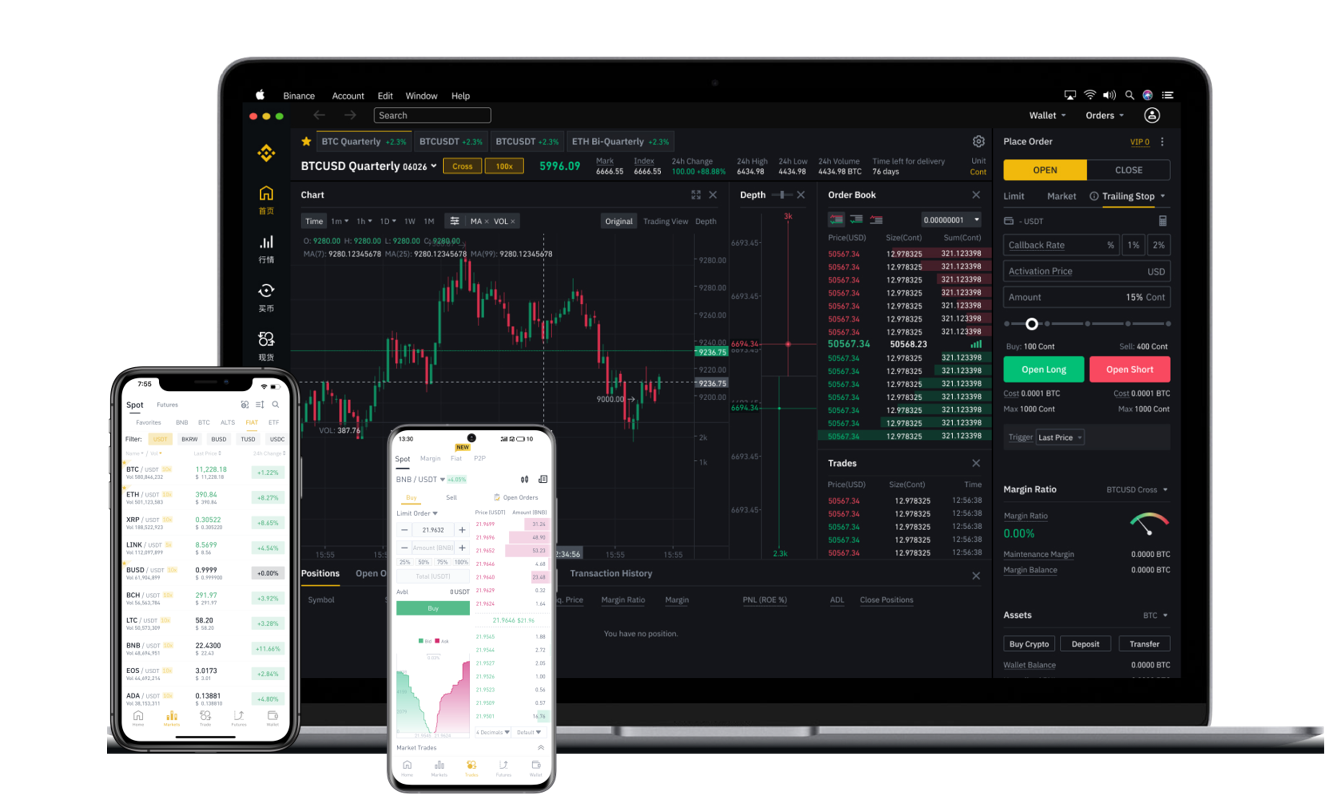
Finally, consider the user experience. The interface for the Binance LP wallet is clean and mobile-friendly. You can check your position, total earned, and balance changes with a few taps. It also supports automatic reinvestment (auto-compounding) for certain pools, which helps maximize returns without manual intervention. For traders who already use Binance as their primary exchange, integrating LP positions here keeps everything centralized under one dashboard—no need to switch between apps or chains.
To sum up, the Binance LP wallet is an excellent option for beginners and intermediate users who prioritize simplicity and security over complete decentralization. It eliminates the technical hurdles of DeFi while still providing meaningful passive income. However, if you are a power user who values full control of your funds, or if you want the ability to transfer and sell your LP tokens independently, you may find Binance’s implementation too restrictive. Ultimately, the best choice depends on your risk tolerance and your preference for convenience versus autonomy.