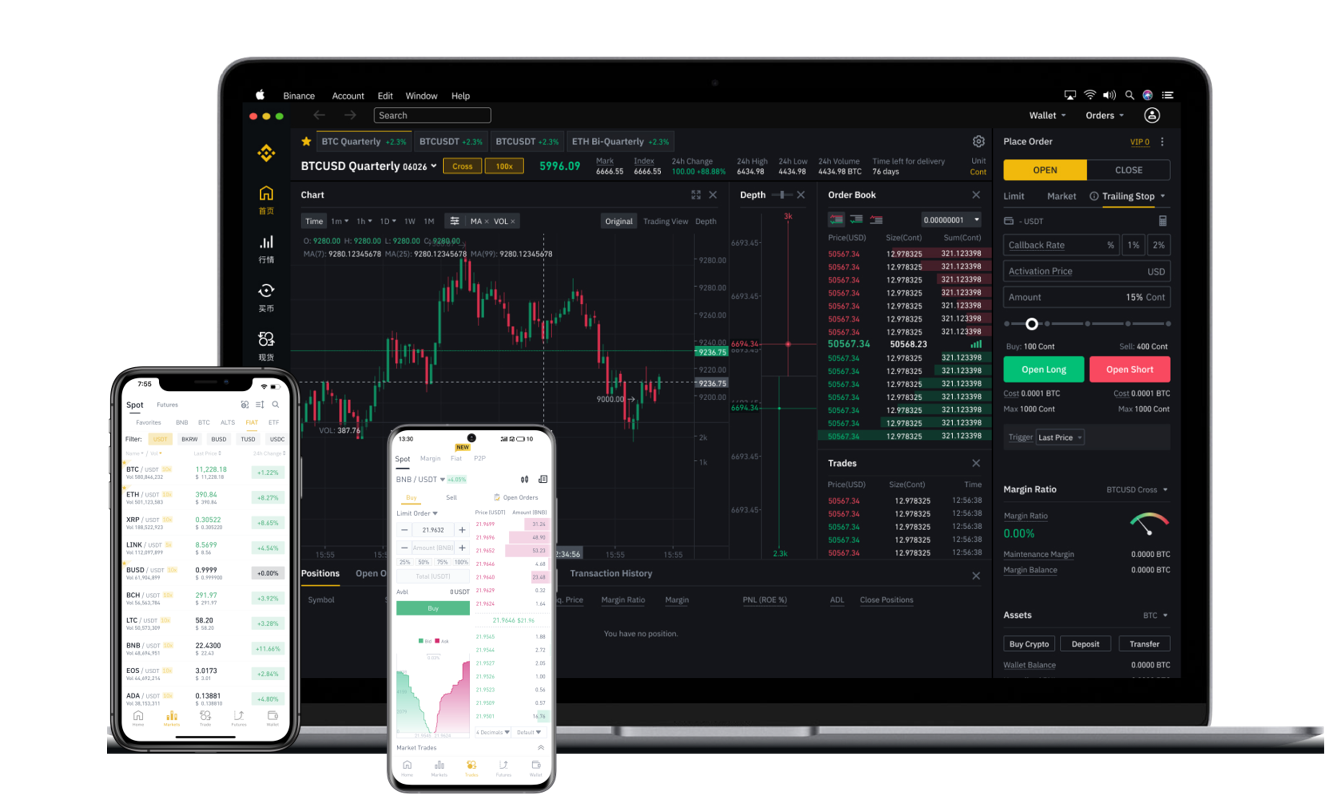
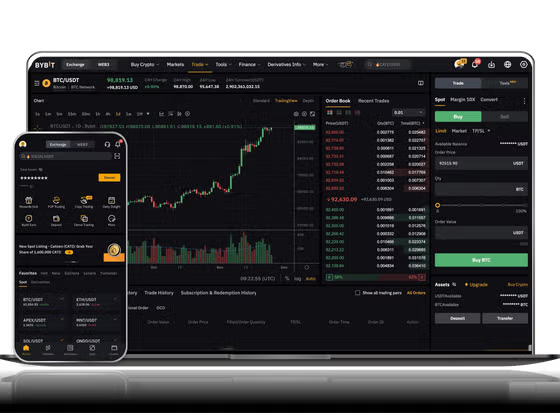

As the cryptocurrency ecosystem expands, choosing a reliable digital wallet becomes crucial for both new and experienced users. Binance, one of the world's largest cryptocurrency exchanges, offers its own integrated digital wallet solution. But how does the Binance digital wallet actually perform? This review breaks down its core features, security protocols, and overall user experience to help you decide if it's the right fit for your crypto management needs.
What is the Binance Digital Wallet?
The Binance digital wallet is not a single product but a suite of wallet services embedded within the Binance ecosystem. The most common forms include the Binance Exchange Wallet (a custodial wallet on the platform) and the Binance Web3 Wallet (a self-custody, non-custodial wallet accessible via the Binance app or browser extension). The Exchange Wallet is ideal for active trading, while the Web3 Wallet allows users to interact with decentralized applications (dApps), swap tokens across different blockchains, and manage NFTs directly.
Key Features and Supported Assets
One of the strongest selling points of the Binance wallet is its extensive asset support. It covers hundreds of cryptocurrencies on multiple blockchains, including Bitcoin, Ethereum, BNB Chain, Solana, Polygon, and many others. The Web3 Wallet also features built-in cross-chain bridging, enabling seamless transfers between different networks without leaving the interface. Additionally, users can stake certain tokens directly from the wallet to earn passive rewards, a feature many standalone wallets lack.
Security Analysis
Security is the top concern for any digital wallet. The Binance Exchange Wallet benefits from Binance's SAFU (Secure Asset Fund for Users) insurance fund, which provides an extra layer of protection against potential hacks. However, as a custodial wallet, users do not hold their private keys directly—Binance does. For those who prefer full control, the Binance Web3 Wallet offers a non-custodial alternative where the user retains ownership of their seed phrase and private keys. Binance also employs multi-factor authentication, withdrawal whitelist features, and real-time risk monitoring to combat unauthorized access. Despite these measures, users should remember that no online wallet is 100% immune, and hardware wallets are recommended for long-term, high-value storage.
User Experience and Accessibility
The Binance wallet is praised for its user-friendly interface, particularly for beginners. The integration with the main Binance app means users can trade, deposit, and withdraw without switching between multiple platforms. The Web3 Wallet is accessible via a simple toggle in the main app, making DeFi and NFT exploration accessible even to users unfamiliar with blockchain technology. On the downside, some advanced users report that the wallet can feel slightly "bloated" with features, and the interface may become cluttered when navigating complex DeFi protocols.
Pros and Cons
Pros: High liquidity, direct integration with a major exchange, broad asset support, staking rewards, and both custodial and non-custodial options. Cons: Custodial risk for the Exchange Wallet (trust required in Binance), potential regulatory issues affecting availability in some countries, and the complexity of the Web3 Wallet for absolute beginners.
Final Verdict
The Binance digital wallet is a robust and versatile solution for users who are actively engaged in the Binance ecosystem. It excels in providing seamless access to trading, staking, and Web3 activities all in one place. However, for those prioritizing absolute ownership and resilience against exchange-related risks, the Web3 Wallet offers a healthier balance. If you are already using Binance for trading, the wallet is a natural and convenient extension. For long-term, cold storage of large sums, pairing the Binance wallet with a hardware device remains the best practice.